

Introduction
CBD has become a widely used wellness supplement, praised for its potential to support stress relief, sleep, pain management, and overall balance. While many people tolerate CBD well, it’s important to understand that CBD can cause side effects in some individuals, especially when taken incorrectly or without proper guidance.
Knowing what’s normal, what’s temporary, and when caution is needed helps you use CBD safely and confidently. This guide breaks down common CBD side effects, why they happen, and when it’s best to slow down or seek professional advice.
Is CBD Generally Safe?
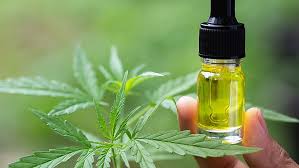
CBD (cannabidiol) is considered well-tolerated for most people when used responsibly. Unlike THC, CBD does not cause intoxication or a “high,” and it does not appear to be addictive.
That said, CBD still interacts with the body’s biological systems, including enzymes and receptors that regulate mood, digestion, sleep, and medication metabolism. Because everyone’s body chemistry is different, individual responses to CBD can vary.
Common CBD Side Effects (Usually Mild)
Most CBD side effects are temporary and dose-related. They often occur when someone takes too much too quickly or is new to CBD.
1. Dry Mouth
Dry mouth is one of the most commonly reported CBD side effects. CBD can temporarily reduce saliva production, leading to a cotton-mouth sensation.
This effect is usually mild and easily managed by staying hydrated. Drinking water before and after taking CBD typically resolves the issue.
2. Drowsiness or Fatigue
CBD may promote relaxation, which can cause drowsiness—especially at higher doses. For people using CBD to support sleep, this effect can be beneficial. However, it may feel unwanted if CBD is taken during the day.
If you experience fatigue, lowering the dose or shifting CBD use to evening hours often helps.
3. Digestive Discomfort
Some users report mild digestive issues such as nausea, bloating, or loose stools. In many cases, this is linked to:
- High doses
- Sensitivity to the carrier oil (such as MCT oil)
- Taking CBD on an empty stomach
Taking CBD with food and starting with a low dose can reduce digestive discomfort.
4. Changes in Appetite
CBD may influence appetite differently from person to person. Some notice reduced hunger, while others experience increased appetite.
These changes are usually subtle and temporary. If appetite changes feel disruptive, adjusting dosage or timing often resolves the issue.
Less Common but Notable Side Effects
While rare, some side effects deserve closer attention—especially if they persist.
1. Lightheadedness or Dizziness
CBD can temporarily lower blood pressure in some individuals, which may cause lightheadedness or dizziness shortly after use.
This is more likely at higher doses or when CBD is combined with dehydration or blood pressure–lowering medications.
2. Headaches
Headaches are not a typical CBD side effect but can occur due to:
- Low-quality products
- Contaminants or additives
- Sudden dose increases
Switching to a third-party tested product and adjusting dosage often helps.
CBD and Medication Interactions: When to Be Careful
One of the most important safety considerations with CBD involves drug interactions.
CBD can affect liver enzymes (specifically CYP450 enzymes) that are responsible for metabolizing many prescription medications. This may alter how quickly certain drugs are processed in the body.
Medications that may interact with CBD include:
- Blood thinners
- Antidepressants
- Anti-seizure medications
- Heart and blood pressure drugs
If you’re taking prescription medication, it’s important to consult a healthcare professional before adding CBD to your routine.
Who Should Use Extra Caution with CBD?
While many adults can use CBD safely, some groups should be more cautious.
Pregnant or breastfeeding individuals should avoid CBD unless specifically advised by a medical professional, as research in this area is still limited.
People with liver conditions, chronic health conditions, or those taking multiple medications should also seek medical guidance before using CBD.
Signs You May Be Taking Too Much CBD
CBD does not have a known fatal dose, but excessive amounts can increase the likelihood of side effects.
Signs that your dose may be too high include:
- Persistent fatigue
- Digestive upset that doesn’t improve
- Headaches or dizziness
- Feeling “off” or mentally foggy
Reducing the dose or taking a short break usually resolves these symptoms.
How to Reduce the Risk of Side Effects
Using CBD safely is largely about dose, quality, and consistency.
Starting with a low dose and increasing gradually allows your body to adjust. Choosing high-quality products that are third-party tested helps avoid contaminants that may cause unwanted reactions.
Taking CBD at the same time each day and with food can also improve tolerance and absorption.
Are CBD Side Effects Long-Term?
For most people, CBD side effects tend to be temporary and reversible, especially when they occur due to higher-than-needed doses or individual sensitivity. Common effects such as mild drowsiness, digestive discomfort, or dry mouth usually fade once the dosage is lowered, timing is adjusted, or use is paused altogether. This dose-dependent nature of CBD is one of the reasons it’s often described as well-tolerated when used responsibly.
Importantly, current scientific evidence does not indicate that long-term, moderate CBD use causes harm in healthy adults. Studies conducted so far suggest that CBD does not appear to damage major organs, impair cognitive function, or lead to dependency when taken within recommended ranges. Unlike substances that accumulate in the body, CBD is metabolized and eliminated over time, reducing the likelihood of lingering adverse effects.
That said, research into CBD is still evolving. While short- and medium-term studies have provided reassuring safety data, scientists continue to investigate how prolonged use may affect different populations, especially individuals with underlying medical conditions or those taking long-term medications. This ongoing research helps refine best practices around dosage, duration, and product formulation.
Because of this, informed and mindful use remains essential. Paying attention to how your body responds, choosing high-quality, lab-tested products, and avoiding unnecessary high doses all contribute to safer long-term use. When CBD is approached as a wellness support rather than a quick fix, it’s far more likely to remain both effective and well-tolerated over time.
When to Stop Using CBD and Seek Advice
You should stop using CBD and consult a healthcare professional if:
- Side effects persist despite lowering the dose
- You experience unusual or severe reactions
- CBD interferes with medications or daily functioning
Listening to your body is key. CBD should support wellness, not create discomfort.
Also Read: Can CBD Improve Morning Productivity? Exploring Its Role in Focus and Energy
Final Thoughts
CBD side effects are generally mild, manageable, and dose-dependent for most people. Understanding what’s normal—and recognizing when to be cautious—empowers you to use CBD safely and effectively.
When used thoughtfully, sourced responsibly, and tailored to individual needs, CBD can be a supportive addition to a wellness routine. As with any supplement, education and moderation make all the difference.