
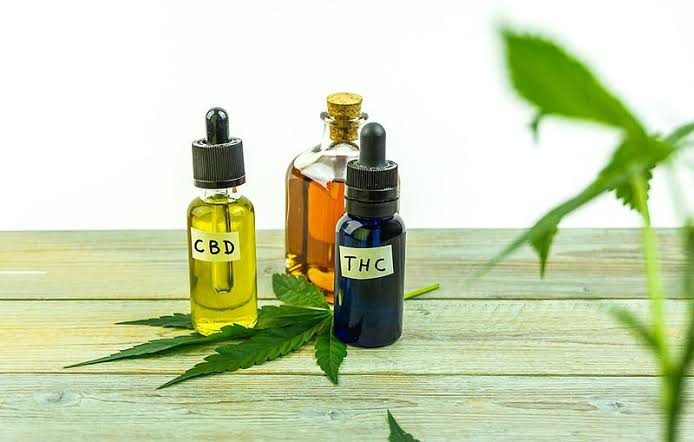
CBD oil and hemp extract are terms you may often see on wellness product labels, but they do not always mean exactly the same thing. The terminology can be confusing because manufacturers may use words such as “hemp extract,” “CBD extract,” and “CBD oil” differently depending on the product and formulation.
Understanding the difference between CBD oil and hemp extract can help you read product labels more carefully and make a more informed choice.
The simplest way to look at it is that hemp extract is a broader term, while CBD oil generally refers to a product formulated with CBD as a primary cannabinoid, often combined with a carrier oil. However, the exact meaning depends on the product’s ingredients and labeling.
What Is CBD Oil?
CBD oil is a formulated product that contains cannabidiol (CBD), a naturally occurring cannabinoid found in hemp and cannabis plants.
CBD oil commonly combines CBD extract with a carrier oil. Common carrier oils may include coconut-derived MCT oil, hemp seed oil, or olive oil.
The CBD may come from different types of extracts, including:
- Full-spectrum CBD extract
- Broad-spectrum CBD extract
- CBD isolate
The concentration of CBD can also vary considerably between products.
For example, one CBD oil may contain a relatively low concentration of CBD, while another may contain a much higher concentration. This is why checking the product label is important rather than judging strength based only on the size of the bottle.
What Is Hemp Extract?
Hemp extract generally refers to an extract obtained from hemp plant material.
Hemp contains naturally occurring compounds, including cannabinoids and terpenes. Depending on how the extract is produced and processed, it may contain CBD along with other hemp compounds.
The term “hemp extract” by itself does not necessarily tell you how much CBD a product contains.
This is one of the most important differences between the terms.
A product labeled “hemp extract” should be examined further to determine:
- Which cannabinoids it contains
- How much CBD it contains
- Whether THC is present
- What other ingredients are included
- Whether the product has been independently tested
CBD Oil vs Hemp Extract: The Basic Difference
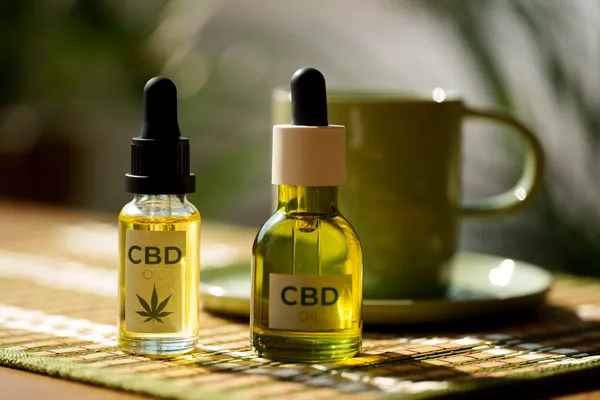
The terms can overlap, but they describe different aspects of a product.
CBD oil generally describes the finished oil product and emphasizes CBD as a key ingredient.
Hemp extract generally describes the extracted material obtained from hemp, although manufacturers may also use the term on finished products.
In other words, hemp extract can be an ingredient used to make CBD oil.
However, you should not assume that every product labeled “hemp extract” contains the same amount of CBD as a product specifically labeled CBD oil.
Why Is the Terminology So Confusing?
The confusion largely comes from inconsistent product terminology.
A bottle might say:
- Hemp extract
- Hemp-derived CBD
- CBD extract
- Hemp oil
- CBD oil
- Full-spectrum hemp extract
These terms can have different meanings depending on the manufacturer.
For this reason, the front of a bottle does not always provide enough information to understand the product.
The Supplement Facts panel, ingredient list, cannabinoid content, and certificate of analysis can provide much more useful information.
Does Hemp Extract Contain CBD?
It can.
Hemp naturally contains CBD, so a hemp extract may contain CBD along with other naturally occurring hemp compounds.
However, the amount of CBD depends on the source material, extraction method, processing, and formulation.
Therefore, the phrase “hemp extract” alone does not tell you the CBD concentration.
If you are specifically looking for CBD, check whether the label states the amount of CBD per serving or the total CBD content in the product.
What Is Hemp Seed Oil?
Hemp seed oil is another term that often creates confusion.
Hemp seed oil is produced from hemp seeds, whereas CBD is primarily obtained from the flowers, leaves, and other cannabinoid-rich parts of the hemp plant.
Hemp seeds naturally contain nutritional components such as fatty acids, but they are not naturally rich in CBD.
This means hemp seed oil and CBD oil are not interchangeable.
A product can contain hemp seed oil as a carrier oil while also containing CBD, but hemp seed oil itself should not automatically be considered a source of CBD.
Full-Spectrum Hemp Extract
Full-spectrum hemp extract contains a range of naturally occurring compounds from the hemp plant.
Depending on the product, these may include:
- CBD
- Other cannabinoids
- Terpenes
- Flavonoids
- Other naturally occurring plant compounds
Full-spectrum products may also contain small amounts of THC, depending on the source and applicable regulations.
The broader cannabinoid and plant-compound profile is one reason some consumers prefer full-spectrum formulations.
Broad-Spectrum Hemp Extract
Broad-spectrum hemp extract generally contains multiple hemp compounds but is processed to remove THC.
It may contain:
- CBD
- Other cannabinoids
- Terpenes
- Other hemp-derived compounds
If avoiding THC is important, checking the laboratory testing information is still useful because terminology and formulations can vary between products.
CBD Isolate
CBD isolate is different from a broader hemp extract.
It is a purified form of CBD in which other hemp compounds are largely removed.
A CBD oil made with CBD isolate may therefore have a simpler cannabinoid profile than a full-spectrum or broad-spectrum product.
How Is CBD Oil Made From Hemp Extract?
The production process can vary, but a simplified process may look like this:
Step 1: Hemp Cultivation
Hemp plants are grown and harvested.
Step 2: Plant Material Processing
The harvested material is prepared for extraction.
Step 3: Extraction
Manufacturers use an extraction process to separate desired compounds from the plant material.
Step 4: Processing and Purification
The extract may undergo additional processing depending on whether the manufacturer wants a full-spectrum, broad-spectrum, or isolated CBD product.
Step 5: Formulation
The resulting CBD ingredient can then be combined with a carrier oil and other ingredients to create the final CBD oil.
Step 6: Testing
Quality-focused manufacturers may test the finished product for cannabinoid content and other quality parameters.
This process illustrates why hemp extract and CBD oil are related but not necessarily identical terms.
CBD Oil and Hemp Extract: Are They the Same Thing?
Not necessarily.
The terms can overlap, but they should not automatically be treated as synonyms.
A hemp extract may be an ingredient in a CBD oil. At the same time, some finished products may use “hemp extract” prominently on their labels even when CBD is one of their major components.
The most reliable way to understand a specific product is to look beyond the product name and examine its cannabinoid information.
What Should You Check on a CBD Product Label?
If you are comparing CBD oil vs hemp extract, pay attention to the following information.
1. CBD Content
Look for the amount of CBD per serving and the total amount of CBD in the bottle.
2. THC Content
Check whether the product contains THC and how much is present.
3. Type of Extract
Look for terms such as full-spectrum, broad-spectrum, or isolate.
4. Ingredient List
Check the carrier oil, flavorings, preservatives, and other ingredients.
5. Certificate of Analysis
A third-party laboratory report can provide additional information about the cannabinoid profile of a specific batch.
6. Manufacturer Information
Transparent labeling and clear manufacturer information can make it easier to evaluate a product.
Why the Carrier Oil Matters
CBD oil usually combines CBD with another oil to create a usable formulation.
Common carrier oils include:
- MCT oil
- Olive oil
- Hemp seed oil
- Other food-grade oils
The carrier oil can influence the taste, texture, and formulation of the product.
For people with specific dietary preferences or allergies, checking the carrier oil can be particularly important.
How Much CBD Is in Hemp Extract?
There is no single answer.
Hemp extracts can have different cannabinoid concentrations depending on the plant material and extraction process.
This is why the term “hemp extract” is not enough to determine potency.
If a product is marketed for its CBD content, look for a clearly stated CBD amount rather than relying on the phrase “hemp extract.”
How Do You Choose Between CBD Oil and Hemp Extract?
The answer depends on what you are actually looking for.
If your primary interest is CBD, choose a product that clearly identifies its CBD content and concentration.
If you are interested in a broader hemp-derived cannabinoid profile, you may want to learn more about full-spectrum or broad-spectrum hemp extracts.
Rather than focusing only on the terminology, compare the actual formulation.
Ask yourself:
- How much CBD does it contain?
- Does it contain THC?
- What type of extract does it use?
- What other cannabinoids are present?
- What is the carrier oil?
- Is third-party testing available?
These questions can tell you much more than the product name alone.
Common Mistakes When Buying CBD Products
1. Assuming Hemp Means CBD
Hemp-derived products can contain CBD, but the word “hemp” alone does not guarantee a particular CBD concentration.
2. Confusing Hemp Seed Oil With CBD Oil
Hemp seed oil is primarily a nutritional oil and should not automatically be considered a CBD product.
3. Looking Only at the Bottle Size
A larger bottle does not necessarily contain more CBD.
Compare the actual CBD concentration and total amount.
4. Ignoring THC Information
If THC content matters to you, check the cannabinoid profile and laboratory report.
5. Trusting Marketing Claims Without Checking Testing
Look for transparent testing information whenever possible.
The Importance of Third-Party Testing
Third-party testing can help consumers understand what is actually present in a CBD product.
A laboratory report may show cannabinoid concentrations and can sometimes provide information about contaminants and other quality characteristics.
When comparing products, look for a COA that corresponds to the specific product or batch.
This provides more useful information than relying solely on advertising claims.
CBD Oil and Hemp Extract: Which One Is Better?
There is no universal answer.
The better choice depends on the product’s formulation and what you are looking for.
If you want a product specifically focused on CBD, a clearly labeled CBD oil with transparent CBD concentration may be easier to evaluate.
If you are interested in multiple naturally occurring hemp compounds, a full-spectrum or broad-spectrum hemp extract product may be worth considering.
The important point is to compare the actual ingredients and cannabinoid profile, rather than assuming one label automatically means higher quality.
Also Read: What Are Cannabinoids? Understanding CBD, CBG, CBC, and More
Final Thoughts
Understanding the difference between CBD oil and hemp extract can make CBD shopping much easier.
Hemp extract is a broader term for material obtained from hemp and may contain CBD along with other naturally occurring compounds. CBD oil generally refers to a finished oil-based product in which CBD is a primary ingredient, although product terminology can vary.
The most important thing is not simply whether a bottle says “CBD oil” or “hemp extract.” Instead, check the CBD concentration, cannabinoid profile, THC content, ingredients, extract type, and available third-party testing.
By understanding these differences, you can read CBD product labels more confidently and make choices based on the actual contents of the product rather than its marketing name.