
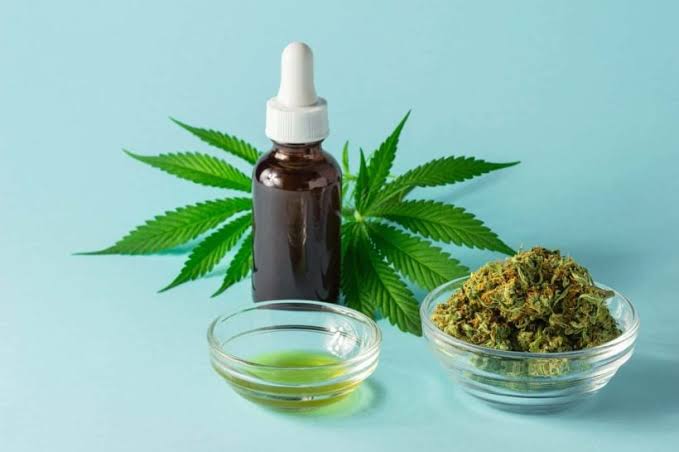
Choosing a CBD oil product can be confusing, especially when the label displays measurements such as milligrams (mg), milliliters (mL), and drops. These terms describe different things, and understanding them can help you compare products and read CBD labels more accurately.
So, what is the difference between CBD oil drops and milligrams? Drops describe the amount of liquid, while milligrams usually indicate the weight of CBD contained in a product or serving. Learning how these measurements work can help you understand product concentration and avoid common labeling mistakes.
What Do Milligrams Mean on a CBD Oil Label?
Milligrams measure weight. On a CBD oil label, the number of milligrams often refers to the total amount of CBD in the entire bottle.
For example, a product labeled with 1,000 mg of CBD may contain 1,000 milligrams of CBD across the whole bottle. This does not necessarily mean that each drop contains 1,000 mg.
CBD products come in different strengths, so always check whether the label refers to the total CBD content or the amount per serving.
Total CBD Content vs. Serving Amount
These two measurements are important to distinguish:
- Total CBD content: The total milligrams of CBD in the entire bottle.
- CBD per serving: The amount of CBD in a stated serving, if provided on the label.
For example, a 30 mL bottle containing 900 mg of CBD has a nominal concentration of 30 mg of CBD per mL.
This calculation helps you compare products with different bottle sizes and CBD strengths.
What Does a Drop Mean in CBD Oil?
A drop refers to a small amount of liquid dispensed from a dropper. Unlike milligrams, drops measure volume rather than weight.
The amount of CBD in a drop depends on the product’s concentration and the volume of liquid in each drop. Drop size can vary with the dropper, liquid thickness, and dispensing method.
This means there is no universal amount of CBD in one drop across all CBD oil products.
Why Drop Size Matters
Two CBD oils may contain different amounts of CBD per drop, even if their droppers look similar.
For example, a concentrated oil may provide more CBD in the same volume than a less concentrated product. Therefore, counting drops alone does not reliably tell you how many milligrams of CBD you are consuming.
How to Calculate CBD Concentration
Understanding the relationship between milligrams and milliliters can make CBD labels easier to read.
Use this basic formula:
CBD concentration (mg/mL) = Total CBD (mg) ÷ Bottle volume (mL)
Consider this example:
- Total CBD: 900 mg
- Bottle volume: 30 mL
- CBD concentration: 30 mg/mL
This means each milliliter of the oil contains approximately 30 mg of CBD, assuming the label accurately reflects the contents.
If a manufacturer provides a reliable serving measurement, you can use the stated volume and concentration to understand the amount of CBD in that serving.
CBD Oil Drops vs Milligrams: Key Differences
The main difference is what each measurement tells you.
- Drops: An approximate amount of liquid.
- Milliliters (mL): A measure of liquid volume.
- Milligrams (mg): A measure of weight, commonly used to state CBD content.
- Milligrams per milliliter (mg/mL): The concentration of CBD in the liquid.
These measurements are related, but they are not interchangeable. A bottle’s total CBD content does not tell you how much CBD is in each drop unless you also know the liquid volume and have a reliable estimate of drop size.
How to Read a CBD Oil Label Correctly
Before comparing CBD oils, check the following information.
1. Total CBD in the Bottle
Look for the total CBD content in milligrams. Make sure you know whether the number describes CBD alone or the total cannabinoid content.
2. Bottle Size
Bottle size is usually displayed in milliliters. Comparing bottle volume alongside total CBD content helps you understand the product’s concentration.
3. Serving Information
Check whether the label states a serving volume and the corresponding amount of CBD. Do not assume that one full dropper equals a particular amount unless the product specifies it.
4. Type of CBD Extract
CBD oil may contain CBD isolate, broad-spectrum extract, or full-spectrum extract. These formulations can have different cannabinoid profiles, so review the product details carefully.
5. Independent Laboratory Testing
A third-party certificate of analysis (COA) can help verify CBD concentration and provide information about THC and potential contaminants. When available, check that the report corresponds to the product’s batch.
Common Mistakes When Reading CBD Labels
Consumers sometimes misunderstand CBD measurements because labels use several units.
Common mistakes include:
- Assuming the total milligrams listed apply to every drop.
- Comparing bottle sizes without checking CBD concentration.
- Treating drops and milliliters as equivalent measurements.
- Assuming all droppers dispense the same volume.
- Confusing total cannabinoid content with CBD content.
Reading the full label can help you avoid these errors and compare products more accurately.
Does a Higher CBD Concentration Mean a Better Product?
Not necessarily. A higher CBD concentration simply means there is more CBD per unit of liquid. It does not automatically indicate better quality or greater suitability for an individual.
When comparing CBD oils, consider ingredient transparency, laboratory testing, product formulation, and the manufacturer’s quality standards rather than choosing a product based on milligrams alone.
CBD can also cause side effects and interact with certain medications. If you are considering using CBD, speak with a healthcare professional, particularly if you take medication or have an underlying health condition.
Also Read: What Is the Difference Between CBD Oil and Hemp Extract?
Final Thoughts
Understanding CBD oil drops vs milligrams makes it easier to interpret product labels and compare different formulations. Drops describe an amount of liquid, milligrams indicate weight, and milligrams per milliliter show CBD concentration.
Always check the total CBD content, bottle size, serving information, and independent laboratory results when available. Avoid estimating the amount of CBD from drop count alone, because drop sizes and product concentrations can vary.
A clear understanding of CBD measurements helps you make better-informed product comparisons without relying on misleading assumptions about strength or serving size.