
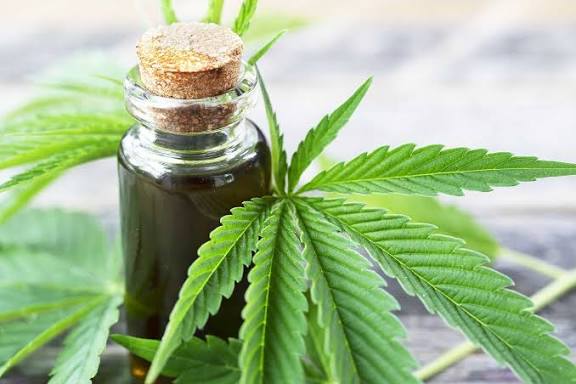
When people hear the word cannabinoids, CBD and THC are usually the first compounds that come to mind. However, the cannabis and hemp plants contain many different cannabinoids, each with its own chemical characteristics.
As interest in hemp-derived wellness products continues to grow, understanding these compounds can help consumers make more informed decisions. You may now see products containing CBD, CBG, CBC, CBN, and other cannabinoids, rather than CBD alone.
But what exactly are cannabinoids? How are they different from one another? And what do terms such as minor cannabinoids, phytocannabinoids, and the endocannabinoid system actually mean?
This guide explains the basics in simple language while exploring some of the most commonly discussed cannabinoids found in hemp and cannabis.
What Are Cannabinoids?
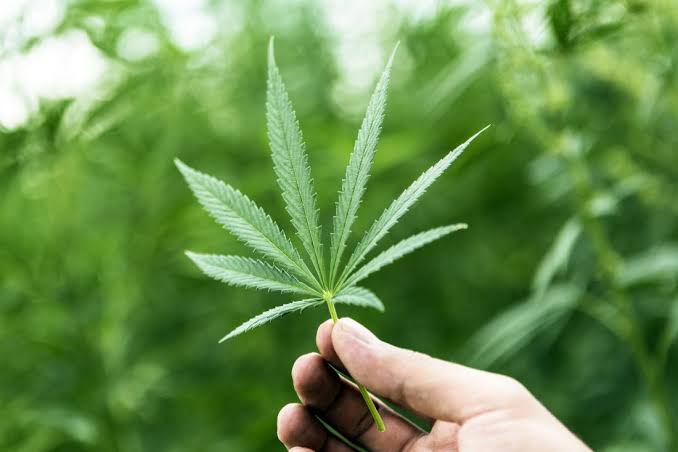
Cannabinoids are a group of chemical compounds that interact with the body’s endocannabinoid system (ECS) and related biological pathways.
Cannabinoids can come from different sources. Broadly, they can be divided into three categories:
- Phytocannabinoids: Cannabinoids naturally produced by plants, particularly cannabis and hemp.
- Endocannabinoids: Cannabinoids naturally produced by the human body.
- Synthetic cannabinoids: Compounds created or modified in laboratories.
CBD, CBG, CBC, and THC are examples of phytocannabinoids.
The term “cannabinoid” therefore refers to a much broader group of compounds than CBD alone.
What Is the Endocannabinoid System?
To understand cannabinoids, it helps to understand the endocannabinoid system.
The ECS is a biological signaling system found throughout the human body. It is involved in various physiological processes, including functions related to mood, appetite, sleep, pain perception, immune responses, and other regulatory processes.
The system includes three major components:
1. Endocannabinoids
These are cannabinoid-like compounds naturally produced by the body.
Two commonly discussed endocannabinoids are:
- Anandamide
- 2-AG (2-arachidonoylglycerol)
These compounds act as signaling molecules within the ECS.
2. Cannabinoid Receptors
The ECS contains cannabinoid receptors, particularly CB1 and CB2 receptors.
CB1 receptors are abundant in the central nervous system, while CB2 receptors are commonly associated with immune-system tissues and other parts of the body.
Different cannabinoids can interact with these receptors in different ways.
3. Enzymes
Enzymes help produce and break down endocannabinoids, allowing the body to regulate cannabinoid signaling.
This system is one reason researchers are interested in understanding how plant-derived cannabinoids interact with human biology.
What Is CBD?
CBD, or cannabidiol, is one of the most abundant cannabinoids found in many hemp and cannabis varieties.
Unlike THC, CBD is not generally associated with the intoxicating “high” commonly linked with THC.
CBD has become widely used in products such as:
- CBD oils
- CBD gummies
- Capsules
- Topicals
- Softgels
- Other hemp-derived formulations
CBD interacts with the body’s biological systems in complex ways rather than simply acting like THC at CB1 receptors.
Research into CBD is ongoing, and consumers should be cautious about assuming that marketing claims about CBD automatically represent established medical benefits.
Why Is CBD So Popular?
CBD has become one of the most recognized cannabinoids because it can be incorporated into a wide range of products.
Its popularity has also contributed to greater consumer interest in related cannabinoids such as CBG and CBC.
However, the growing number of CBD products makes it important to understand the difference between CBD content, product concentration, and the broader cannabinoid profile.
For example, two products can contain the same amount of CBD but differ significantly in their other ingredients and cannabinoids.
What Is CBG?
CBG, or cannabigerol, is another naturally occurring cannabinoid found in hemp and cannabis.
CBG is sometimes called the “mother cannabinoid” because CBGA, its acidic precursor, is involved in the biosynthetic pathways that lead to several major cannabinoids.
As cannabis plants mature, enzymes can convert CBGA into precursors associated with cannabinoids such as THC and CBD.
This is one reason mature hemp typically contains much more CBD than CBG.
Why Is CBG Receiving Attention?
CBG has attracted increasing interest among researchers, manufacturers, and consumers.
It is being studied for its potential interactions with different biological pathways, but research is still developing.
CBG is now available in products including:
- CBG oils
- CBG gummies
- Capsules
- Tinctures
- Combined CBD-CBG products
As with CBD, consumers should distinguish between preliminary research and proven health outcomes.
What Is CBC?
CBC, or cannabichromene, is another phytocannabinoid naturally produced by cannabis plants.
CBC is generally considered a minor cannabinoid because it occurs in lower concentrations than major cannabinoids such as CBD and THC in many varieties.
Researchers have shown interest in CBC because of its interactions with biological pathways and receptors, but human research remains relatively limited compared with CBD and THC.
CBC may be found in some specialized cannabinoid formulations, sometimes combined with CBD and other hemp compounds.
What Is CBN?
CBN, or cannabinol, is another cannabinoid that has gained considerable consumer attention.
CBN can form through the degradation or oxidation of THC over time. This means older cannabis material may contain higher amounts of CBN than freshly harvested material, although the actual cannabinoid profile depends on several factors.
CBN is often marketed in products designed around nighttime or relaxation routines. However, consumers should be careful with broad claims about CBN and sleep because research is still developing.
CBN is also not the same thing as CBD.
What Is THC?
THC, or tetrahydrocannabinol, refers to a group of cannabinoids, with delta-9 THC being the best-known form.
THC is primarily responsible for the intoxicating effects associated with cannabis.
THC interacts strongly with CB1 receptors in the central nervous system, which helps explain its psychoactive effects.
THC and CBD are chemically related but behave differently in the body.
This distinction is especially important when purchasing hemp-derived products because legal THC limits can vary depending on the country or jurisdiction.
What Are Minor Cannabinoids?
The term minor cannabinoids generally refers to cannabinoids that occur in smaller amounts in cannabis or hemp compared with major cannabinoids such as CBD and THC.
Examples include:
- CBG
- CBC
- CBN
- THCV
- CBDV
- CBDA
- CBGA
- CBDA
Some of these compounds occur naturally in raw hemp or cannabis, while others may be present in higher concentrations depending on the plant variety and processing method.
The term “minor” refers primarily to their abundance, not necessarily their importance.
Research into minor cannabinoids is expanding, and scientists are investigating how these compounds interact with the human body.
What Are Acidic Cannabinoids?
Fresh cannabis and hemp plants contain cannabinoid acids, rather than only the neutral cannabinoids commonly listed on product labels.
Some important examples include:
- CBDA — cannabidiolic acid
- CBGA — cannabigerolic acid
- THCA — tetrahydrocannabinolic acid
- CBCA — cannabichromenic acid
These compounds can undergo decarboxylation, a chemical process often triggered by heat, converting them into their neutral forms.
For example:
CBDA → CBD
and
THCA → THC
This distinction is important when discussing raw hemp, extraction, and manufacturing.
CBD vs CBG vs CBC vs CBN
Although these cannabinoids all originate from the cannabis plant, they are not interchangeable.
1. CBD
CBD is one of the most abundant non-intoxicating cannabinoids found in hemp.
It is widely used in oils, gummies, capsules, and other consumer products.
2. CBG
CBG is generally found in lower concentrations and has become popular as an emerging minor cannabinoid.
It is frequently included in products alongside CBD.
3. CBC
CBC is another minor cannabinoid that is being studied for its biological properties.
It is less common in mainstream consumer products than CBD.
4. CBN
CBN is associated with the breakdown of THC and has become popular in products marketed for nighttime use.
However, research into its effects remains limited.
Is CBD the Same as CBG?
No.
CBD and CBG are separate cannabinoids with different molecular structures and biological interactions.
Although both are commonly described as non-intoxicating cannabinoids, they should not be considered identical.
They may also appear together in broad-spectrum or full-spectrum hemp extracts.
Is CBG Better Than CBD?
There is no universal answer to this question.
“Better” depends on the intended product, formulation, individual preferences, and the evidence available for the particular purpose being considered.
CBD currently has a much larger body of research and a significantly broader consumer market than CBG.
CBG is a newer area of interest, and research continues to investigate its potential properties.
Consumers should therefore avoid choosing a cannabinoid solely because a product description claims that it is more powerful or effective.
Is CBC the Same as CBD?
No.
Although both are cannabinoids found in hemp and cannabis, CBC and CBD are chemically different compounds.
CBD is considerably more common in hemp and is widely used in commercial products.
CBC is typically found in smaller quantities and is less common in mainstream CBD products.
What Is the Difference Between CBD and CBN?
CBD and CBN differ in their origins and biological properties.
CBD is naturally abundant in many hemp varieties.
CBN can develop as THC undergoes degradation over time.
They are also marketed differently. CBD is commonly used in general wellness-oriented products, while CBN is frequently featured in products marketed for nighttime routines.
However, marketing should not be confused with established clinical evidence.
What Is the Entourage Effect?
The entourage effect is a hypothesis suggesting that cannabinoids and other cannabis compounds may interact with one another and potentially produce effects that differ from those of isolated compounds.
This concept is one reason consumers may encounter terms such as:
- Full-spectrum CBD
- Broad-spectrum CBD
- Whole-plant extracts
- CBD + CBG
- CBD + CBN
A full-spectrum hemp extract may contain multiple cannabinoids, terpenes, and other naturally occurring compounds.
Broad-spectrum products generally contain multiple cannabinoids and other hemp compounds while undergoing additional processing intended to remove THC.
CBD isolate is much more highly purified and is primarily cannabidiol.
The entourage effect remains an area of scientific discussion and research, so it should not be presented as a guaranteed benefit of using multiple cannabinoids.
Full-Spectrum vs Broad-Spectrum vs Isolate
Understanding cannabinoid types becomes particularly useful when comparing these three common product categories.
1. Full-Spectrum CBD
Full-spectrum products contain multiple naturally occurring hemp compounds.
Depending on the product and applicable regulations, they may contain small amounts of THC.
2. Broad-Spectrum CBD
Broad-spectrum products contain multiple hemp compounds but are processed to remove THC to the extent intended by the manufacturer.
3. CBD Isolate
CBD isolate is highly purified cannabidiol with most other plant compounds removed.
This means a CBD isolate product generally has a very different cannabinoid profile from a full-spectrum product.
Why Do Cannabinoid Levels Vary Between Products?
The cannabinoid profile of a hemp product can vary for several reasons.
1. Hemp Genetics
Different hemp cultivars naturally produce different concentrations of cannabinoids.
2. Growing Conditions
Environmental factors, farming practices, and harvesting can influence plant chemistry.
3. Harvest Timing
Cannabinoid concentrations can change as the plant develops.
4. Extraction Method
Methods such as CO₂ and ethanol extraction can produce extracts with different compositions depending on how they are used.
5. Processing
Additional purification steps can remove or concentrate particular compounds.
6. Formulation
Manufacturers may combine cannabinoids intentionally to create specific formulations.
This is why reading a product’s Certificate of Analysis (COA) can be useful when you want to understand its actual cannabinoid profile.
How to Read a Cannabinoid Profile
A laboratory report may list cannabinoids individually.
For example, you may see:
- CBD
- CBDA
- CBG
- CBGA
- CBC
- CBN
- THC
- THCA
The report may provide concentrations in percentages, milligrams per gram, or total milligrams per product.
When reviewing a COA, make sure the report corresponds to the specific product and batch.
A trustworthy laboratory report should also provide information about the testing laboratory and the date of analysis.
Why Third-Party Testing Matters
Third-party testing can provide greater transparency about what’s actually in a cannabinoid product.
Depending on the testing panel, laboratories may analyze:
- Cannabinoid concentrations
- THC levels
- Pesticides
- Heavy metals
- Microbial contamination
- Residual solvents
This information can help consumers compare products more confidently.
Rather than relying solely on terms such as “premium CBD” or “high-quality cannabinoids,” look for manufacturers that provide accessible, batch-specific testing information.
Are All Cannabinoids Psychoactive?
No.
Cannabinoids have different properties, and not all are associated with intoxicating effects.
THC is the best-known intoxicating cannabinoid.
CBD, CBG, and CBC are generally not associated with the same intoxicating effects as THC.
However, individual products can contain multiple cannabinoids, and some may contain THC. Therefore, consumers should always check the cannabinoid profile and applicable regulations.
Are Cannabinoids Safe?
The safety profile of a cannabinoid depends on the specific compound, dose, formulation, individual factors, and other circumstances.
Research is much more extensive for some cannabinoids than others.
Consumers should also remember that hemp-derived does not automatically mean risk-free. CBD and other cannabinoids can potentially interact with medications, and product quality can vary.
Anyone taking prescription medications, pregnant or breastfeeding, or managing a medical condition should speak with an appropriate healthcare professional before using cannabinoid products.
Common Cannabinoid Myths
Myth 1: CBD and All Cannabinoids Are the Same
They are not.
CBD, CBG, CBC, CBN, THC, and other cannabinoids have different chemical structures and biological properties.
Myth 2: Minor Cannabinoids Are Unimportant
The word “minor” generally describes how much of the compound is naturally present in the plant.
It does not mean the compound has no scientific importance.
Myth 3: More Cannabinoids Always Mean a Better Product
Not necessarily.
The right product depends on its formulation, cannabinoid profile, quality, testing, and the consumer’s individual circumstances.
Myth 4: Cannabinoid Products Are Automatically Medical Treatments
A product containing CBD, CBG, or another cannabinoid should not automatically be considered a medical treatment.
Research and regulatory status vary significantly between compounds and products.
Also Read: When Is the Best Time to Give CBD Dog Treats?
Final Thoughts
Cannabinoids are much more diverse than CBD and THC alone. CBD, CBG, CBC, CBN, THC, and other cannabinoids each have distinct chemical characteristics and are being studied for different biological properties.
CBD remains the most recognizable cannabinoid in the hemp wellness market, while CBG, CBC, CBN, and other minor cannabinoids are gaining attention as research and product development continue.
Understanding these differences can help consumers read CBD labels, compare full-spectrum and broad-spectrum products, understand cannabinoid profiles, and make more informed purchasing decisions.
Most importantly, don’t judge a cannabinoid product simply by the number of compounds it contains. Look at the source, formulation, cannabinoid concentrations, third-party testing, Certificate of Analysis, and applicable regulations.
As research develops, our understanding of the diverse world of cannabinoids will continue to evolve.