
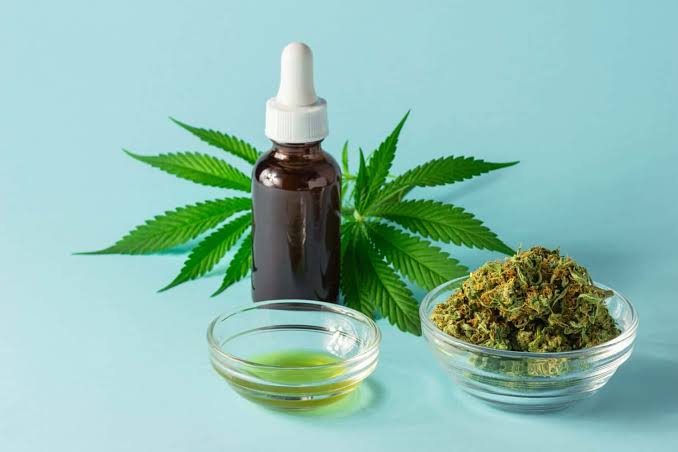
CBD oil is often stored for several months, so it is natural to wonder how to keep it fresh for as long as possible. Some users shake the bottle before every use, while others wonder whether shaking helps preserve the product and extend its shelf life.
The short answer is no. Shaking CBD oil does not extend its shelf life or prevent it from expiring. However, it may help redistribute ingredients in certain formulations, especially if the manufacturer recommends shaking before use.
Understanding the difference between mixing CBD oil and preserving its quality can help you store your product correctly and avoid unnecessary waste.
Does Shaking CBD Oil Make It Last Longer?
Shaking CBD oil does not stop the natural processes that can affect its quality over time. Exposure to oxygen, heat, and light may contribute to the degradation of cannabinoids and the oxidation of carrier oils.
Although shaking can temporarily mix ingredients, it does not reverse these processes or restore the original quality of an ageing product.
In some formulations, shaking may help distribute CBD extract and other ingredients more evenly before measuring a serving. However, not every CBD oil needs to be shaken. Always follow the instructions provided on the product label.
To maintain CBD oil quality, proper storage is more important than how frequently you shake the bottle.
Why Do Some CBD Oils Need Shaking?
CBD oil products can contain different ingredients, including cannabidiol extract, carrier oils, flavourings, and other hemp-derived compounds. Depending on the formulation, these ingredients may not always remain evenly distributed.
Here are some reasons why shaking may be recommended.
1. To Redistribute Ingredients
Some formulations may develop mild settling or uneven distribution during storage. Shaking can help redistribute the ingredients if the product is designed for this purpose.
However, persistent separation or unexpected particles should not automatically be treated as normal. Contact the manufacturer if the appearance changes significantly or does not return to normal according to the product instructions.
2. To Help Maintain Consistent Servings
If a product’s ingredients are not evenly distributed, the amount of CBD in an individual serving may be less predictable.
For formulations that require mixing, shaking as directed may help improve the uniformity of the liquid before use. It does not guarantee an exact CBD dose, particularly if the product has developed a formulation or stability problem.
3. To Mix Flavourings or Other Ingredients
Some CBD oils contain added flavourings or other ingredients that may benefit from mixing. In these cases, shaking can help distribute the ingredients throughout the formulation.
The need to shake depends on the product’s composition and the manufacturer’s instructions.
What Actually Affects CBD Oil Shelf Life?
Several factors can affect how long CBD oil maintains its quality after opening.
1. to Air
Oxygen can contribute to oxidation, particularly in carrier oils containing unsaturated fatty acids. Repeatedly leaving the bottle open may increase exposure.
Tip: Close the cap tightly after every use and avoid leaving the bottle open unnecessarily.
2. and Temperature Changes
Excessive heat may accelerate the degradation of certain ingredients. Temperature fluctuations can also affect the oil’s thickness, clarity, and consistency.
Tip: Keep CBD oil away from radiators, kitchen appliances, sunny windowsills, and hot vehicles.
3. Direct Light
Prolonged exposure to light can affect the stability of cannabinoids and other ingredients. Dark glass packaging may help reduce light exposure, but it does not eliminate the need for proper storage.
Tip: Store the bottle in a dark cupboard or drawer.
4. Carrier Oil Type
The carrier oil can influence the stability of the finished CBD product.
- MCT oil: Commonly used in CBD formulations and generally more resistant to oxidation than oils rich in polyunsaturated fats.
- Hemp seed oil: Contains unsaturated fatty acids that can be more susceptible to oxidation.
- Olive oil: Has its own fatty acid composition and stability characteristics.
The finished product’s shelf life depends on the complete formulation, packaging, manufacturing quality, and storage conditions—not simply the carrier oil.
5. Product Age and Packaging
CBD oil can gradually deteriorate as it ages. Packaging quality, the seal, and the amount of air in the bottle can influence how much the product is exposed to environmental factors.
Always check the expiry date and follow any instructions about how soon to use the product after opening.
Can Shaking CBD Oil Restore Its Potency?
No. Shaking cannot restore CBD that has degraded over time.
CBD potency refers to the amount or concentration of cannabidiol in the product. If heat, light, oxygen, or prolonged storage has contributed to cannabinoid degradation, shaking will not reverse that chemical change.
Similarly, shaking cannot restore an oxidised carrier oil or make a contaminated product safe to use.
If you are concerned about potency, check the product’s expiry date and consult the manufacturer’s third-party laboratory report, where available. Appearance alone cannot confirm the amount of CBD remaining in the bottle.
How to Store CBD Oil Properly
Correct storage can help preserve product quality and may reduce the factors that contribute to deterioration.
1. Keep the Bottle in a Cool, Dark Place
Follow the storage temperature stated on the label. A cupboard away from sunlight and heat sources is often suitable if it meets the manufacturer’s recommendations.
2. Close the Cap Securely
After each use, tighten the cap to reduce exposure to air and help prevent contamination.
3. Handle the Dropper Carefully
Avoid touching the dropper tip to your mouth, hands, or other surfaces. Keep it clean and return it to the bottle according to the product instructions.
4. Avoid Unnecessary Temperature Changes
Do not move the bottle repeatedly between hot and cold environments. Refrigerate CBD oil only if the manufacturer recommends it, as chilling can make some formulations thicker or cloudy.
5. Check the Expiry Date
Shaking does not extend the labelled shelf life. Discard or seek the manufacturer’s advice about products that are expired, have been stored improperly, or show unexplained changes.
How Can You Tell If CBD Oil Has Gone Bad?
Shaking is not a reliable way to determine whether CBD oil is still suitable for use. Instead, pay attention to the product’s condition and storage history.
Possible warning signs include:
- A new, strong, sour, or rancid smell.
- Unexpected particles or persistent separation.
- A substantial, unexplained change in colour or texture.
- Damaged packaging or signs of contamination.
- An expired product or one stored outside the recommended conditions.
Some CBD oils naturally vary in colour and may become thicker or cloudy at lower temperatures. These changes do not automatically mean the oil has spoiled. However, unusual or persistent changes warrant caution.
If you notice an unexplained change, stop using the product and contact the manufacturer. Do not rely on shaking to make it appear normal again.
Also Read: CBD Oil Drops vs Milligrams: How to Understand CBD Labels
Conclusion
Shaking CBD oil does not extend its shelf life, prevent expiration, or restore lost potency. It may help redistribute ingredients in certain formulations, but its main purpose is mixing—not preservation.
To maintain CBD oil quality, focus on proper storage. Keep the bottle tightly closed, protect it from heat and direct light, avoid contamination, and follow the manufacturer’s instructions. If the oil develops an unusual smell, persistent separation, unexpected particles, or other unexplained changes, seek guidance from the manufacturer rather than relying on shaking to correct the problem.
Understanding the difference between mixing and preservation can help you handle CBD oil responsibly and make more informed decisions about product quality.