

Cannabidiol (CBD) oil has become a popular natural remedy for a variety of health issues, including chronic pain. As more people seek alternatives to traditional pain relief medications, CBD has emerged as a promising option due to its potential therapeutic properties. In this blog post, we will explore the science behind CBD oil and its effectiveness for pain relief, helping you understand how it works and why it could be a beneficial addition to your wellness routine.
What is CBD Oil?
CBD is one of over 100 compounds known as cannabinoids found in the cannabis plant. Unlike tetrahydrocannabinol (THC), which is another well-known cannabinoid, CBD does not cause a “high.” Instead, it is believed to interact with the body’s endocannabinoid system (ECS) to provide a variety of health benefits, including pain relief, reduced inflammation, and improved mood.
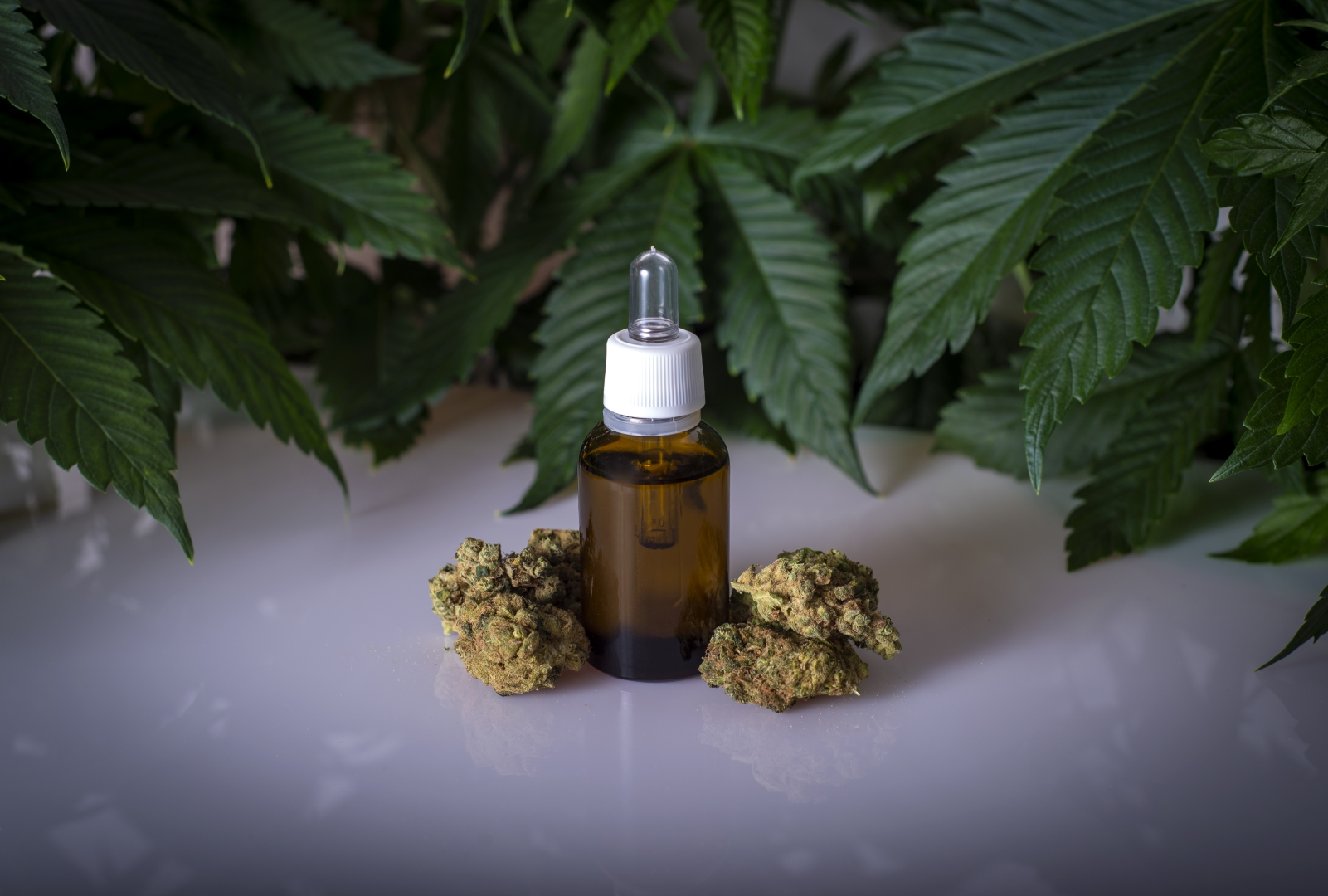
CBD oil is extracted from the hemp plant and typically diluted with a carrier oil, such as coconut or hemp seed oil. It is then consumed in various forms, such as tinctures, capsules, or topicals, depending on the desired effect.
How Does CBD Oil Help with Pain Relief?
CBD oil is believed to reduce pain through its interaction with the body’s endocannabinoid system (ECS). The ECS is a complex cell-signaling system that regulates a range of physiological functions, including pain perception, mood, and inflammation. The ECS consists of receptors, enzymes, and endocannabinoids (natural compounds produced by the body), and it helps maintain balance, or homeostasis.
Interaction with CB1 and CB2 Receptors
The primary receptors involved in pain regulation are CB1 and CB2. These receptors are found throughout the body, including in the brain, immune system, and peripheral nervous system.
- CB1 receptors are primarily located in the brain and central nervous system. When activated, they can alter pain perception, mood, and memory.
- CB2 receptors are found mostly in the peripheral nervous system and immune cells. Activation of these receptors has been shown to reduce inflammation and alleviate pain.
CBD is thought to influence these receptors, either directly or indirectly, to help alleviate pain. While it doesn’t bind directly to CB1 or CB2 receptors like THC does, CBD can modulate the way these receptors respond to other cannabinoids, enhancing their ability to reduce pain and inflammation.
Reducing Inflammation
Inflammation plays a central role in many chronic pain conditions, including arthritis, fibromyalgia, and multiple sclerosis. CBD has demonstrated anti-inflammatory properties in both animal and human studies, which may contribute to its ability to reduce pain.
By inhibiting certain inflammatory markers and enzymes, CBD can reduce the body’s inflammatory response, leading to less pain and discomfort. This makes it an attractive alternative for people who suffer from inflammation-related pain conditions.
Scientific Evidence Supporting CBD Oil for Pain Relief
While more research is needed to fully understand the effectiveness of CBD oil for pain relief, several studies have shown promising results.
Chronic Pain and Inflammation Studies
A study published in the European Journal of Pain in 2016 investigated the effects of CBD on rats with arthritis. The researchers found that CBD applied topically to the affected areas reduced pain and inflammation without causing any negative side effects. This study highlighted the potential of CBD as an effective pain management tool for conditions like arthritis.
Additionally, a review published in the Journal of Experimental Medicine in 2012 concluded that CBD could significantly reduce pain and inflammation in both acute and chronic conditions. This review further supported the idea that CBD oil could be a viable option for individuals with chronic pain.
Neuropathic Pain
Neuropathic pain, which is caused by damage to the nervous system, is notoriously difficult to treat with conventional pain medications. However, a 2017 study published in Frontiers in Pharmacology found that CBD has potential in managing neuropathic pain. The study concluded that CBD could help reduce the symptoms of neuropathy by influencing pain receptors and reducing inflammation.
Cancer-Related Pain
Cancer-related pain is another area where CBD oil has shown promise. A study conducted in 2016 and published in the Journal of Pain and Symptom Management demonstrated that patients with cancer-related pain who were treated with CBD oil experienced a reduction in pain levels and required less opioid medication. This finding suggests that CBD could be a useful complementary treatment for managing cancer-related pain and potentially reduce reliance on opioids.
Other Conditions CBD Oil Can Help With
In addition to its use for pain relief, CBD oil has shown potential in treating a variety of other health conditions. Some of these include:
Anxiety and Stress
CBD oil is often used to manage anxiety and stress. It is believed to work by interacting with serotonin receptors in the brain, which play a role in mood regulation. By improving mood and reducing stress, CBD oil may indirectly help reduce pain levels, as stress and anxiety are known to exacerbate pain.
Sleep Disorders
Sleep disorders, such as insomnia, are common in people suffering from chronic pain. CBD oil has been shown to help improve sleep quality by promoting relaxation and reducing the frequency of nighttime awakenings. Better sleep can result in improved pain management and overall quality of life.
Muscle Spasms
Muscle spasms and stiffness are common symptoms of conditions like multiple sclerosis, fibromyalgia, and other neurological disorders. A study published in the Multiple Sclerosis Journal found that CBD reduced the frequency of muscle spasms and improved overall mobility in individuals with multiple sclerosis.
How to Use CBD Oil for Pain Relief
There are several ways to use CBD oil for pain relief, and the method you choose will depend on your personal preference and the severity of your pain. Here are some common ways to use CBD oil:
Oral Consumption
CBD oil can be taken orally in the form of tinctures, capsules, or edibles. When consumed orally, CBD is absorbed through the digestive system and metabolized by the liver, which means it may take longer to feel the effects. However, oral consumption provides long-lasting relief.
Topical Application
For localized pain, applying CBD oil directly to the skin in the form of a cream, balm, or lotion can provide targeted relief. Topical CBD products are absorbed through the skin and can work quickly to reduce inflammation and pain in the affected area.
Sublingual (Under the Tongue)
Taking CBD oil sublingually (under the tongue) allows for faster absorption into the bloodstream. This method can provide quicker relief compared to oral consumption, making it a great option for people who need immediate pain relief.
Final Thoughts: Is CBD Oil Right for You?
CBD oil offers a natural alternative for managing pain, and the science behind its effectiveness is growing. Research suggests that CBD can help reduce inflammation, alleviate chronic pain, and provide relief from conditions like arthritis, neuropathic pain, and cancer-related pain. Additionally, CBD oil may have a positive impact on mood, sleep, and anxiety, which can further enhance pain relief.
If you are considering using CBD oil for pain relief, it’s important to consult with a healthcare professional to determine the best dosage and method for your specific needs. While CBD oil may not be a one-size-fits-all solution, it presents a promising option for many people seeking an alternative to traditional pain medications.
Remember, the quality of the CBD product you choose matters. Look for high-quality, third-party-tested products from reputable brands to ensure you’re getting a safe and effective product.