
Introduction
Athletes are constantly pushing their physical limits, and recovery is just as crucial as training when it comes to performance and long-term success. In recent years, CBD oil has emerged as a promising supplement in the athletic world, touted for its potential to ease pain, reduce inflammation, and improve sleep quality. But does the science back up these claims? And more importantly, is it safe and effective?
In this blog, we’ll explore how CBD oil may support athletic recovery, the current scientific understanding, and how athletes can safely incorporate it into their wellness routines.
Understanding CBD
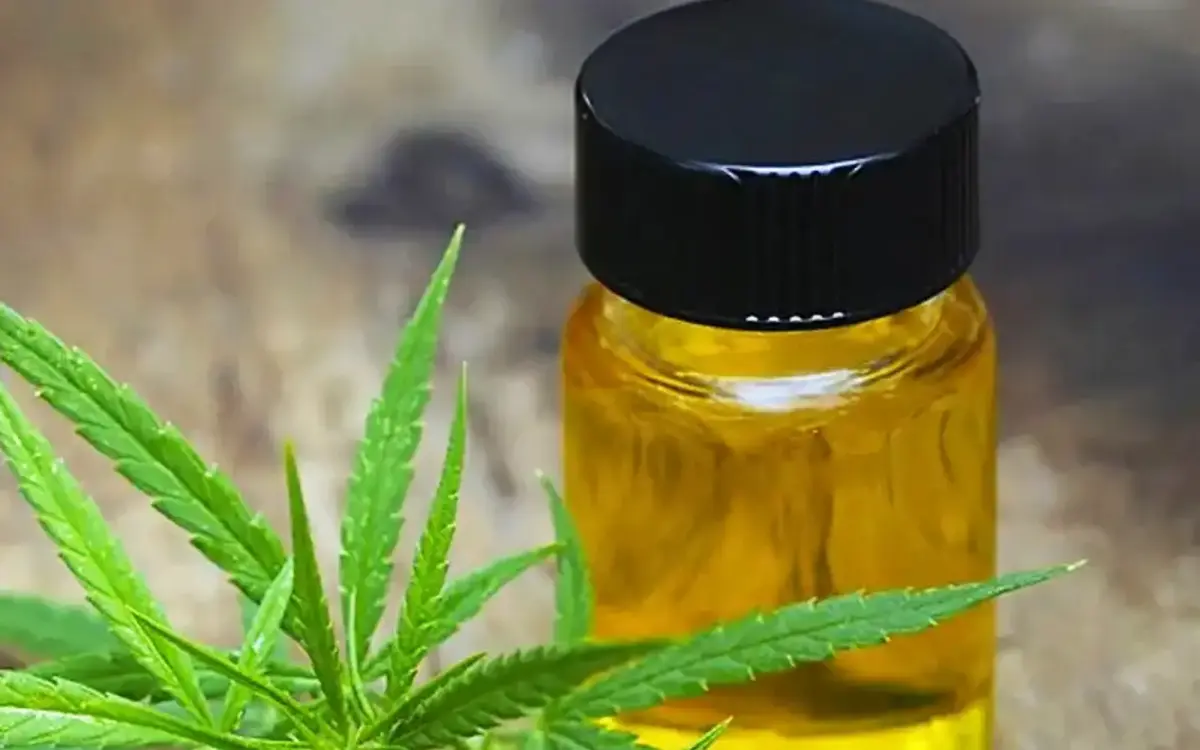
Cannabidiol (CBD) is a naturally occurring compound found in the Cannabis sativa plant. It belongs to a class of chemical compounds known as cannabinoids, of which over a hundred have been identified. Among these, CBD and tetrahydrocannabinol (THC) are the most well-known. However, unlike THC, CBD is non-intoxicating, meaning it doesn’t produce the psychoactive “high” commonly associated with cannabis use. This makes it particularly appealing to individuals—especially athletes—seeking therapeutic benefits without mental impairment.
CBD exerts its effects primarily through interaction with the endocannabinoid system (ECS), a complex and widespread biological network present in all mammals. The ECS is composed of three main components: endocannabinoids (cannabinoids produced naturally by the body), cannabinoid receptors (such as CB1 and CB2), and enzymes that break down these compounds once they’ve fulfilled their role.
The CB1 receptors are found mainly in the central nervous system, especially the brain, where they help regulate mood, memory, pain perception, and motor function. CB2 receptors, on the other hand, are predominantly located in the immune system and peripheral tissues, where they play a role in managing inflammation and immune responses.
CBD does not bind directly to CB1 or CB2 receptors in the same way that THC does. Instead, it appears to modulate these receptors’ activity, as well as interact with other non-cannabinoid receptors and ion channels—such as TRPV1 (involved in pain perception), 5-HT1A (a serotonin receptor linked to anxiety and mood), and PPARs (which regulate inflammation and metabolic function).
Through these diverse interactions, CBD is thought to help the ECS maintain homeostasis, or balance within the body. This balance is critical for optimal recovery after intense physical activity. For example, CBD may:
- Reduce excessive inflammation caused by micro-tears in muscle tissue.
- Help regulate pain signals, making soreness more manageable.
- Promote restorative sleep, allowing for tissue repair and energy restoration.
- Ease mental stress and anxiety, which can impede physical recovery.
In short, by supporting the ECS and other regulatory systems, CBD may enhance the body’s ability to recover naturally—making it a valuable tool in the athlete’s recovery arsenal.
Why Athletes Are Turning to CBD Oil
Athletes—from weekend warriors to professionals—are increasingly interested in natural, non-addictive ways to manage recovery. Here’s why CBD oil is catching their attention:
1. Inflammation Reduction
Intense physical activity leads to micro-tears in muscle fibers, triggering inflammation as part of the healing process. While inflammation is necessary, excessive or prolonged inflammation can delay recovery and increase the risk of injury.
CBD’s anti-inflammatory properties may help regulate this response. By modulating immune activity, it could reduce swelling, pain, and stiffness—especially in overworked joints and muscles.
2. Pain Management
CBD is believed to influence pain perception by interacting with ECS receptors and vanilloid receptors (TRPV1), which are involved in the regulation of pain and temperature.
Athletes dealing with delayed-onset muscle soreness (DOMS) or chronic issues like tendonitis may find that CBD offers mild but noticeable relief—without the side effects associated with NSAIDs or opioids.
3. Improved Sleep Quality
Recovery doesn’t happen without rest. Deep, restorative sleep is when your body repairs tissues, balances hormones, and rebuilds energy stores.
CBD has been linked to improved sleep quality, largely by reducing anxiety and promoting relaxation. For athletes struggling with insomnia or post-competition adrenaline, CBD might be a helpful nighttime aid.
4. Stress and Anxiety Relief
Competitive sports can be mentally taxing. Whether it’s performance anxiety, burnout, or high-pressure events, mental stress can hinder physical recovery.
CBD has anxiolytic (anti-anxiety) effects that may help athletes stay calm and mentally focused. This not only improves performance but also supports faster psychological recovery after training or competition.
Scientific Evidence: What Does the Research Say?
While anecdotal evidence is strong, let’s look at what current research shows:
- A 2020 review in Sports Medicine suggested that CBD may help with pain, inflammation, neuroprotection, and anxiety—all of which are relevant to athletic performance and recovery.
- A 2021 study published in Frontiers in Physiology examined CBD’s potential to reduce inflammation and support muscle regeneration post-exercise. While promising, it emphasized the need for more human clinical trials.
- Sleep studies have shown mixed results. Some report improvements in sleep onset and duration, while others indicate no significant effect—possibly due to dosage variations.
In short, early research is encouraging, but more high-quality, long-term studies are needed to fully confirm CBD’s role in sports recovery.
How to Use CBD Oil for Recovery
If you’re an athlete considering CBD, here’s how to use it effectively and safely:
1. Choose the Right Format
CBD comes in various forms:
- CBD Oil (Tinctures) – Fast-acting and easy to dose.
- Topicals (Creams, Balms) – Ideal for localized muscle or joint pain.
- Capsules or Edibles – Slower onset but longer-lasting effects.
- CBD Bath Soaks – Great for full-body muscle relaxation.
Each format has unique benefits depending on your recovery needs.
2. Start with a Low Dose
Dosage varies by body weight, metabolism, and individual needs. A general starting dose is 10–25 mg per day, gradually increasing until desired effects are achieved. Always monitor how your body responds.
3. Use After Training or Before Bed
For optimal recovery, many athletes take CBD:
- Post-workout to reduce inflammation and ease soreness.
- Before bed to promote deeper, more restful sleep.
Timing and consistency are key—don’t expect overnight miracles.
4. Choose Quality Products
The CBD industry isn’t well-regulated, so third-party testing is essential. Look for:
- Products labeled “THC-free” (especially for drug-tested athletes).
- Full-spectrum or broad-spectrum oils for added cannabinoid benefits.
- Clear labeling of CBD content and batch numbers.
Is CBD Legal for Athletes?
Yes—with caveats. In 2018, the World Anti-Doping Agency (WADA) removed CBD from its list of banned substances. However, THC remains banned, and contaminated or mislabeled products could trigger a positive drug test.
Athletes should:
- Stick with THC-free or broad-spectrum CBD oils.
- Research their sport’s governing body guidelines.
- Keep documentation of product batch numbers and test results.
Professional and collegiate athletes should be particularly cautious.
Safety and Potential Side Effects
CBD is generally considered safe and well-tolerated, but some users report:
- Dry mouth
- Drowsiness
- Changes in appetite
- Mild digestive upset
CBD may also interact with medications, so athletes taking prescriptions (like blood thinners or anti-inflammatories) should consult a healthcare provider first.
Also Read: How CBD Oil Can Help with Skin Conditions: Acne, Eczema, and More
Should You Try CBD Oil for Recovery?
While CBD isn’t a cure-all, it offers natural support for some of the most critical aspects of athletic recovery—pain, inflammation, stress, and sleep. If you’re seeking an alternative to traditional recovery tools, CBD oil may be worth exploring.
However, as with any supplement, it’s best to:
- Start slow
- Monitor your progress
- Choose reputable brands
- Talk to a medical professional, especially if you’re a competitive athlete
Conclusion
CBD oil has emerged as a powerful ally in the world of athletic recovery. With promising early research and growing anecdotal support, it offers athletes a way to bounce back faster, feel better, and perform at their best—without the risks of dependency or harsh side effects.
As the science evolves and regulations become clearer, CBD may well become a standard part of every athlete’s recovery kit.